Utility providers have always had a tough job.
Every day, your customers expect the lights to turn on, the water to flow, and critical services to be available when they need them. Most people never think about the technology making all of that happen. They only notice when something goes wrong.
That’s exactly why cybersecurity has become such an important conversation.
Not because utility providers suddenly want to become cybersecurity experts or because they enjoy thinking about ransomware, phishing attacks, or system vulnerabilities.
They care because reliability matters. And today, reliability and cybersecurity are more connected than ever before.
Utility Environments Have Changed
Think about how much has changed over the last decade:
Substations are connected. Field crews rely on mobile devices. Vendors need remote access to support critical systems. Operational technology shares information with business applications. Customers expect digital experiences that are available anytime, from anywhere. The list goes on and on.
All of those advancements have improved efficiency and visibility, but they’ve also expanded the attack surface.
That doesn’t mean technology is the problem. Technology allows utility providers to operate more effectively than ever before. The challenge is keeping those systems remain secure, resilient, and reliable as environments become more connected and complex.
Why Utility Providers Have Become Attractive Targets
If you were a cybercriminal, where would you focus your attention?
A business that can afford a few days of downtime? Or an organization that provides essential services to thousands of homes and businesses?
Unfortunately, attackers already know the answer.
Utility providers are attractive targets because downtime creates real-world consequences. A disruption doesn’t just affect servers and applications. It can impact operations, customer service, public trust, and the communities that depend on those services every day.
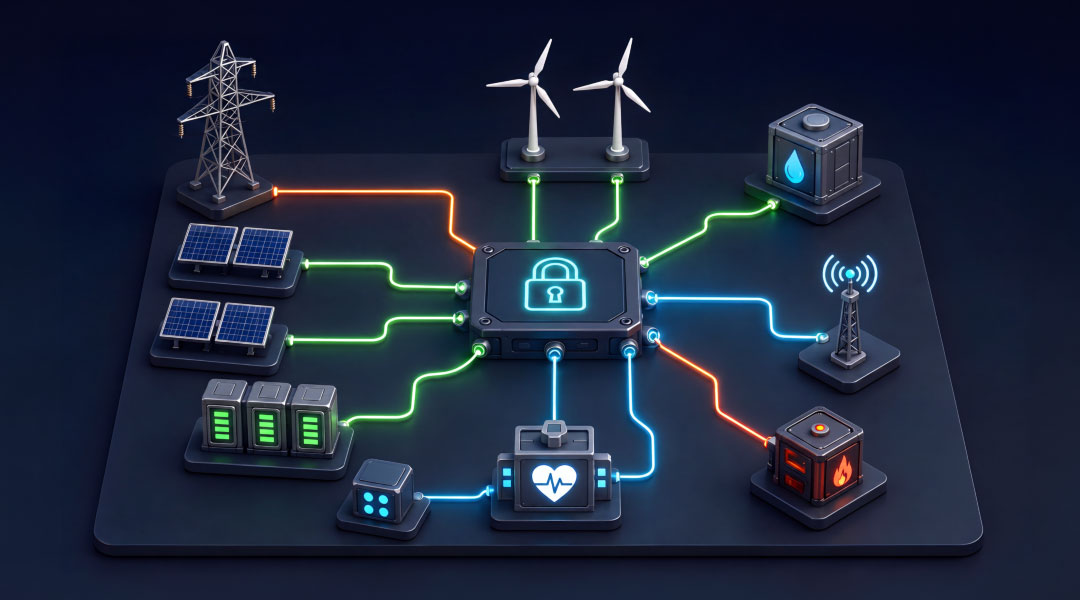
The reality is that most utility environments are incredibly complex. Many organizations are managing a combination of:
- Operational technology (OT)
- SCADA platforms
- Legacy infrastructure
- Customer-facing systems
- Cloud services
- Third-party vendor connections
Every one of these systems serves an important purpose, but every connection also creates another potential entry point of risk. As technology becomes more connected, visibility and control become more important.
The challenge isn’t avoiding technology or slowing innovation. The challenge is protecting the systems your organization depends on every day and ensuring they remain dependable, and prepared to support consistent operations for years to come.
The Reality of Legacy Technology
Many utility providers continue to rely on systems that were designed long before modern cybersecurity threats became mainstream. And honestly, that makes sense.
If critical infrastructure supports reliable operations, replacing it immediately isn’t always realistic. The challenge arises when legacy systems become connected to newer technologies without proper visibility, segmentation, and security controls in place.
Organizations often find themselves balancing modernization efforts with the need to maintain the reliability customers depend on. That balancing act requires a thoughtful approach to cybersecurity, not a complete technology overhaul.
Vendor Access Can Become an Unexpected Risk
Most utility providers depend on outside partners. Software vendors, equipment manufacturers, consultants, and integrators frequently need access to systems that support daily operations. That’s just part of doing business.
The problem isn’t vendor access itself. The problem is losing visibility into who has access, when they’re using it, and whether that access is still necessary.
A few simple questions can go a long way toward reducing risk:
- Who currently has access to critical systems?
- Is that access reviewed on a regular basis?
- Is multifactor authentication (MFA) required?
- Are vendor activities monitored and documented?
- Do former vendors still have active access?
The fewer unknowns you have, the stronger your security posture becomes. When vendor access is well-managed, you can maintain the convenience and support you need without introducing unnecessary risk into the environment.
Cyber Resilience Matters More Than Perfection
One of the biggest misconceptions about cybersecurity is that success means stopping every attack. But that’s not realistic.
The organizations with the strongest security postures don’t focus solely on prevention. They focus on resilience.
They understand that incidents can happen. What separates successful organizations is how quickly they detect issues, contain threats, recover operations, and continue serving customers. That’s why layered security has become so important.
Just like you wouldn’t rely on a single breaker or backup system to protect critical infrastructure, you shouldn’t rely on a single cybersecurity control to protect your environment. Effective security combines multiple layers, including:
- Endpoint protection
- Next-generation firewalls
- Email security
- Multifactor authentication (MFA)
- Security awareness training (SAT)
- Continuous monitoring
- DNS filtering
Each layer serves a purpose. Together, they create a stronger defense that makes it much harder for a single mistake, compromised account, or infected device to become a business-wide problem.
The goal isn’t perfection. It’s confidence.
Confidence that you can protect critical systems, continue serving your customers, and recover quickly when challenges arise. That’s what cyber resilience is really all about.
Compliance Helps. But It Doesn’t Guarantee Security.
Here’s a mistake many organizations make: they pass an audit and assume they’re secure.
Compliance absolutely matters. It establishes important standards, creates accountability, and helps organizations build consistency into their processes. That’s valuable.
But cybercriminals aren’t checking to see whether you’ve completed an audit. They’re looking for vulnerabilities.
That’s why mature cybersecurity programs go beyond compliance requirements. They invest in continuous monitoring, vulnerability management, incident response planning, user awareness training, and ongoing risk assessments. It’s not just about checking a box. It’s about protecting operations and reducing business risk.
Recovery Planning Matters More Than Most Organizations Realize
Let’s be honest. Every organization says they have backups. But the question they should be asking themselves is this:
If a critical system went down right now, how quickly could we recover?
That’s where many organizations discover gaps in their planning.
Backups are essential, but recovery requires more than storing data somewhere safe. It requires documented procedures, tested recovery processes, defined priorities, communication plans, and confidence that everything will work when it matters most.
The organizations that routinely test their recovery plans often discover issues before a crisis occurs. That preparation can make the difference between a manageable disruption and a major operational event.
So, How Resilient Is Your Utility Environment?
Cybersecurity isn’t really about technology. It’s about confidence.
Confidence that critical systems will stay available. Confidence that threats can be detected before they become business disruptions. Confidence that if something does happen, your team knows exactly how to respond.
That’s why we created The Utility Provider’s Cybersecurity Survival Guide and Checklist.
Inside, you’ll find actionable guidance on reducing risk, strengthening resilience, improving recovery readiness, and protecting the systems your organization and community depend on every day.
Download the Free Guide and Checklist
If you’re responsible for reliability, operations, technology, or compliance within a utility organization, this guide and checklist were built for you.
Download The Utility Provider’s Cybersecurity Survival Guide and Cybersecurity Checklist today and start identifying opportunities to strengthen your security posture before a disruption occurs.
Or, if you’d rather have a conversation about your current environment, contact us today. We’d love to help you build a roadmap that supports your operations today and well into the future.